
BIM Modeling Standards: What They Mean for Your Construction Project

BIM modeling standards define how digital models are created, shared, and validated across a construction project. This overview explains ISO 19650, IFC, and COBie, and what they mean for coordination, handover, and long-term asset information.
BIM Manager vs BIM Coordinator: Roles and Responsibilities Explained

BIM Managers set the strategy, standards and governance for a project’s BIM environment, while BIM Coordinators run daily model coordination and clash resolution. This guide compares their responsibilities, decision authority and stakeholder interaction, and shows how each role supports the design, construction and handover phases.
Common Mistakes in BIM Construction Projects and How to Avoid Them

BIM does not remove project risk on its own. Discover six common BIM mistakes in construction, from weak collaboration to unclear roles, and the structured processes that help teams prevent them.
What Is BIM Documentation and How It Enhances Project Transparency

BIM documentation centralizes project data in a shared environment. Learn how it improves transparency, collaboration, accountability, and risk management from design to handover.
Overcoming BIM Adoption Challenges in Construction Projects
BIM adoption often stalls on governance, training, and interoperability rather than software. Learn the five most common obstacles and a structured framework to overcome them.
IFC in BIM: What It Is and When to Use It

IFC is an open, vendor-neutral data format that enables reliable information exchange across BIM tools and disciplines. Here’s what it is, how it works, and when it’s the right choice.
BIM Clash Detection Explained: Preventing On-Site Construction Errors
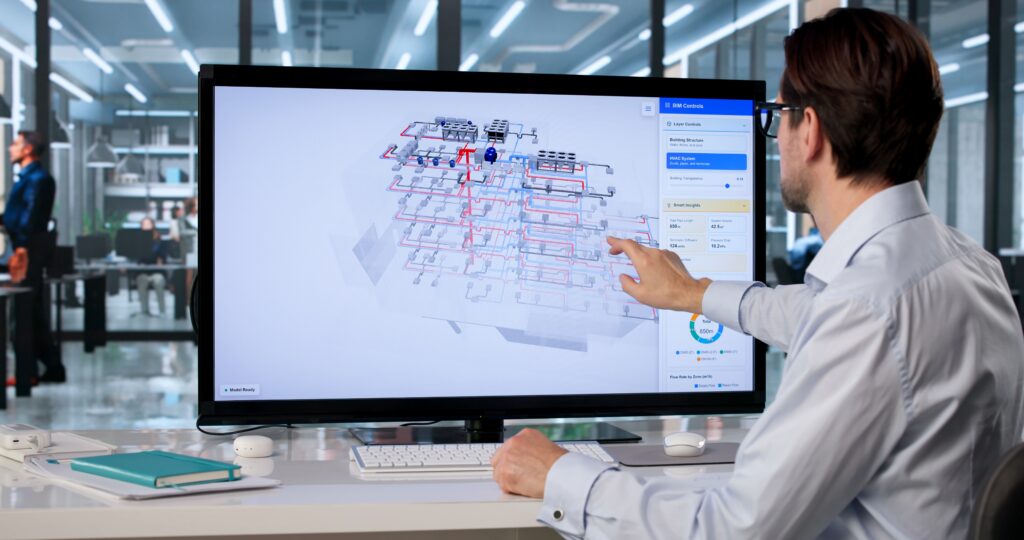
BIM clash detection identifies conflicts between building systems before construction begins, helping teams reduce rework, avoid delays, and improve coordination across all disciplines.
Why Professional BIM Modeling Services Reduce Project Risk

Professional BIM modeling services reduce project risk by enabling early clash detection, coordinated 3D modelling and structured implementation frameworks. This article explains how federated model coordination, disciplined data governance and lifecycle planning help teams identify design conflicts before construction, improve schedule reliability and control costs, turning BIM into a proactive risk management tool rather than just a visualization tool.
BIM Level 1, 2, and 3 Explained: What Is the Difference?
BIM Level 1, 2 and 3 describe increasing stages of digital collaboration, from basic 3D modelling with limited data sharing (Level 1) to coordinated federated models with structured clash detection (Level 2) and fully integrated, real-time collaborative environments supporting lifecycle management (Level 3). This guide compares each level’s collaboration, data exchange and coordination practices, helping teams choose the right BIM maturity for their project.
What Is a BIM Execution Plan? Comprehensive Guide to BIM Execution Plan Essentials

A BIM Execution Plan (BEP) defines how BIM will be implemented, managed and governed across a project, covering roles, BIM uses, data standards, coordination workflows and validation procedures. This guide explains its purpose and key components, from early planning through construction, reality capture integration and handover, showing how a well-structured BEP reduces risk and supports predictable project delivery.